
Skip to content

Keep patients in the care they need — with less time in the chart.

LINDERA is objective motion analysis for home health. One capture at the point of care measures the patient's mobility, lines your OASIS and GG documentation up from a single source, and gives you the objective evidence to justify continued care — and to show the family why it matters.

ICC 0.98
Published in Nature Scientific Reports
27001 I 13485
ISO I HIPAA ready
JMIR Aging
Peer-reviewed
CE Class I
EU Medical Device
massnahmenplanung-mobilitaet

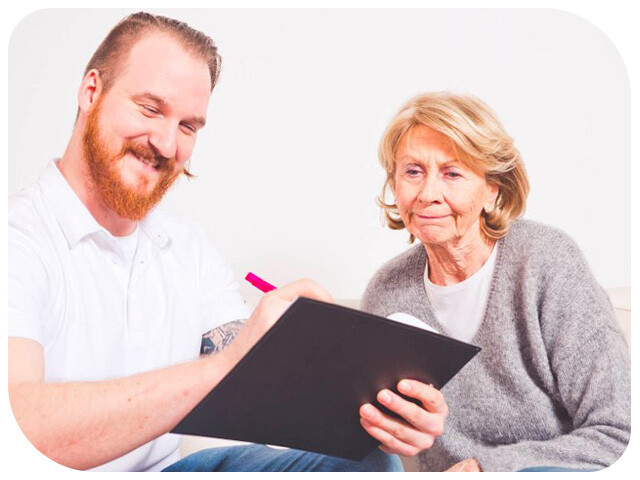
The denial is rarely about the care. It's about OASIS and GG disagreeing.

When your OASIS mobility items — M1840 (toilet transferring), M1850 (transferring), M1860 (ambulation) — and the GG functional items describe the same patient differently on the same visit, payers deny and audits expand. In a 9-case audit batch we reviewed with a US home-health partner, OASIS-versus-GG inconsistency was the single largest denial cause — bigger than missing signatures, timing, or medical-necessity disputes combined.

And lining those items up by hand, visit after visit, recert after recert, is hours your clinicians don't have. One objective source fixes both at once.
mobilitaetsanalyse-lindera-care

One capture. OASIS and GG already lined up.

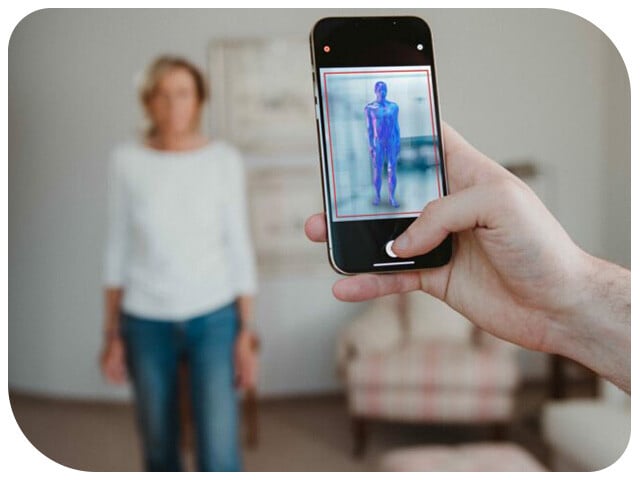
From a single video at the point of care, LINDERA measures the patient's mobility and maps the result to your OASIS mobility items and your GG functional items at the same time — so the Start of Care, the recert, and the therapy note all draw on the same objective numbers. Your clinicians stop reconciling three documents by hand; the measurement does it.

Less time charting. Fewer inconsistencies to defend. A Start of Care and a recertification that already agree.
01-lindera-massnahmenempfehlungen-mobilitaet

Keep patients in the care they need, and prove it.

Continued home health has to be justified — the recert, the ongoing episode, the care level. When the objective functional measurement shows real, continued need, the data stands behind it. So the care isn't cut short by thin documentation, and the episode reflects what the patient actually requires.

The same objective functional data feeds the Discharge Function Score — now a major driver of your HHVBP Total Performance Score. Measured improvement, documented from the first visit, is what that score rewards.
besprechung-lindera-massnahmen-empfehlungen

The report that wins the family.

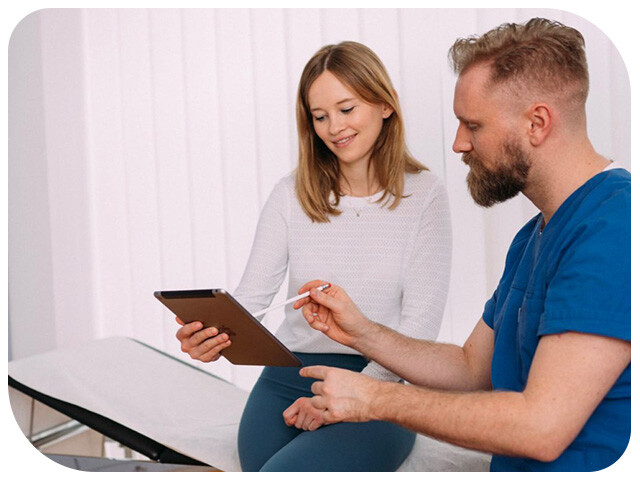
In home health, the family is in the room — and often in the decision. A measured, visual report turns "they're doing better" into something the family can see: the patient's gait, balance, and strength against age-matched norms, tracked across the episode.

That's what helps a family understand why the care continues, and at what level. Families support decisions backed by evidence they can see — not a clinician's impression. The report does that work in the living room, on the visit.
lindera-ganganalyse-per-app

One capture, in the patient's own home.

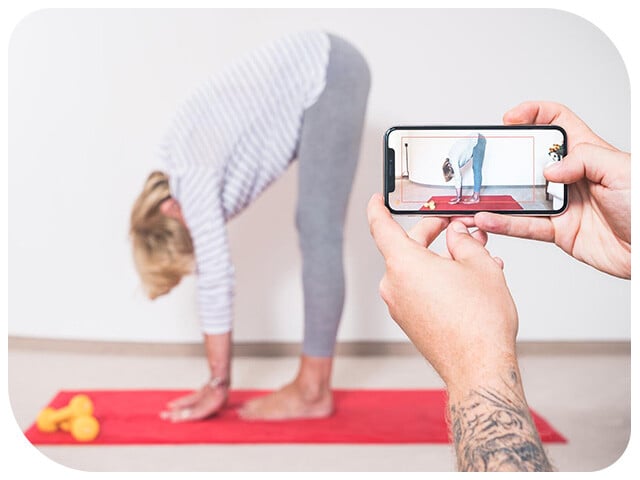
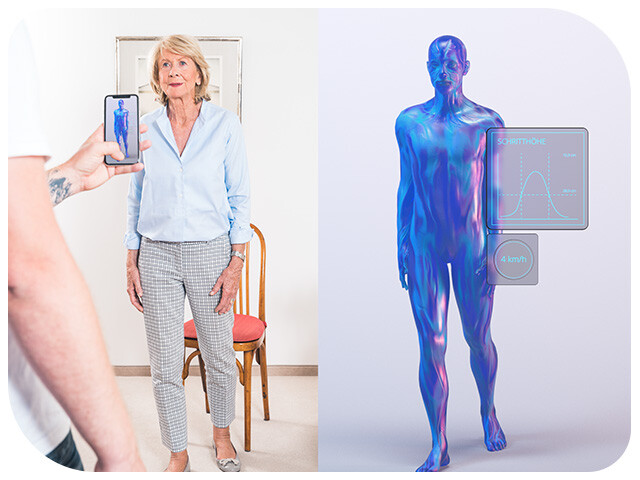
  1. During the visit, your clinician (or a trained aide) records a short guided movement sequence on a phone or tablet — a walk plus the standardized functional tests you already use: Timed Up and Go, Tinetti, and Berg. No markers, no wearables, no mats.
  2. LINDERA measures gait and mobility against age-matched norms and maps the result to your OASIS and GG items.
  3. The objective values populate a suggested, template-parity record. The clinician reviews, edits, and attests. Suggested only — the clinician verifies; the EHR submits.

One phone your clinician already carries. One capture in the patient's living room.

JMIR_logo

Peer-reviewed in JMIR Aging.

bmc-geriatrics

European real-world evidence: fewer falls in care settings (n=1,627) — and fewer falls means fewer acute-care hospitalizations, the outcome home health is measured on.

Colored=True-2

CE-marked Class I EU-medical device; HIPAA-ready architecture; ISO 13485 and ISO 27001.
mobilitaetsanalyse-besprechung

Built for the home visit, not the lab.

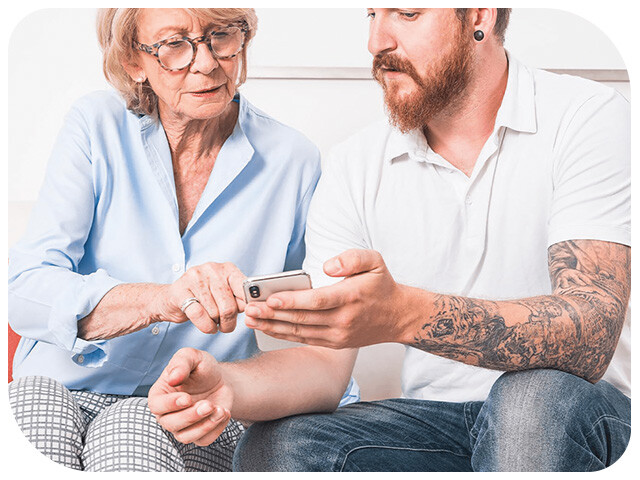
No hardware to carry, no mats, no wearables to charge and re-issue. One phone, one capture in the patient's home. No IT project as a precondition — LINDERA works alongside the documentation system you already run.

How does LINDERA keep OASIS and GG consistent?

Both draw on the same objective mobility measurement from one capture, so the OASIS mobility items and the GG functional items describe the patient the same way — by construction, not by manual reconciliation.

Does LINDERA support recertification and continued-care documentation?

Yes. It gives you an objective functional measurement at each visit, so the change over the episode — the basis for recert and continued need — is measured and documented, not asserted from memory.

How does this help our HHVBP score?

It documents functional status objectively from the first visit, which supports the Discharge Function Score, and the mobility focus targets falls and the hospitalizations they drive.

Does the LINDERA app include TUG, Tinetti, and Berg?

Yes. The standardized functional tests your team already uses — Timed Up and Go, Tinetti, and Berg — are included and captured objectively from one smartphone video, alongside gait parameters a stopwatch and a score sheet can't produce.

Does the family see the report?

Yes. LINDERA produces a clear, visual report of the patient's measured gait, balance, and strength against age-matched norms, tracked across the episode — a tool for the family conversation.

Is LINDERA HIPAA-ready?

Yes — US-region hosting, Business Associate Agreements, and the audit-trail discipline US payers and surveyors expect. ISO 27001 certified.

What EMR does it work with?

LINDERA is integration-ready (HL7 FHIR) and works alongside the system you run; it doesn't require an integration project to start. (See Integrations.)

What do I need to run it?

An iOS or Android phone or tablet, a stable internet connection, and storage for the app.